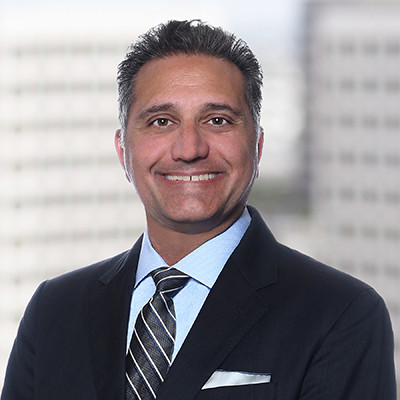
Photo of Michael Yaghi

Michael is a partner in the firm’s State Attorneys General and Regulatory Investigations, Strategy + Enforcement (RISE) Practice Groups, nationwide teams that advise clients on consumer protection enforcement matters and other regulatory issues. Based in the firm’s Orange County office, Michael represents high-profile clients in regulatory enforcement investigations involving all facets of their business, including but not limited to, advertising and sales practices, monthly membership programs, auto renewal programs, telemarketing and telephone solicitations, door-to-door sales practices, and endorsements. Having begun his career as a commercial litigator, he also supports clients throughout litigation, should an investigation move in that direction.

  • Governor Gavin Newsom appointed former CFPB Director Rohit Chopra as inaugural secretary of California’s new Business and Consumer Services Agency (BCSA) on May 12, 2026, with the agency launching July 1, 2026.
  • The BCSA does not expand the DFPI’s statutory authority under the California Consumer Financial Protection Law (CCFPL), but Chopra’s role as

In this crossover episode of The Consumer Finance Podcast and Regulatory Oversight, Taylor Gess is joined by colleagues Michael Yaghi and Lane Page from Troutman Pepper Locke’s State AG and Regulatory Investigations, Strategy + Enforcement practice groups to discuss the hottest areas of state regulatory activity in the point-of-sale space. With federal consumer protection enforcement pulling back in certain areas under the current administration, state regulatory agencies are stepping into the spotlight to take an industrywide approach to point-of-sale finance. The conversation covers regulatory scrutiny around buy now, pay later (BNPL) products following the CFPB’s withdrawal of its interpretive rule, a coordinated seven-state inquiry into the U.S.’s largest BNPL providers, and what providers should be doing now to assess their own compliance posture. They also dig into the solar and home improvement finance sector, where states are challenging fee disclosures and targeting finance provider-merchant relationships, as well as the growing rent-to-own enforcement landscape. The episode closes with a look at what Rohit Chopra’s new role leading California’s consolidated consumer protection agency could mean for the financial services industry, with both California and New York positioning themselves as state-level successors to the CFPB’s prior enforcement mission.

In this episode of FCRA Focus, host Kim Phan is joined by Michael Yaghi, partner in Troutman Pepper Locke’s Regulatory Investigations, Strategy + Enforcement practice group, to unpack the California Department of Financial Protection and Innovation’s (DFPI) latest effort to require registration for the credit reporting industry. They discuss DFPI’s second request for comment, how it fits into California’s broader push to regulate nonbank financial services, and which entities may be swept in beyond the “big three” consumer reporting agencies — such as furnishers, data brokers, specialty credit reporting agencies, resellers, and fintechs. Kim and Michael also explore how narrowly (or broadly) the rules might be drawn, potential overlap and tension with existing FCRA requirements, what registration and reporting could mean in practice for covered entities, and what companies should be doing now as the February 26 comment deadline approaches.

In this crossover episode of The Consumer Finance Podcast and Regulatory Oversight, Chris Willis is joined by Joseph DeFazio, Bill Foley, and Michael Yaghi to discuss the implications of New York’s FAIR Act, a significant amendment to the state’s UDAAP statute. The FAIR Act aims to broaden consumer protection by lowering the threshold for legal action against unfair and abusive business practices. With expanded enforcement powers for the state, this legislation could dramatically increase litigation risks for financial services companies operating in New York if the governor signs the bill. Tune in to understand how this legislative shift might affect the industry and what steps businesses can take to prepare.

On August 7, the U.S. Department of Treasury hosted a virtual briefing to discuss the steps that the Biden-Harris administration is taking to address perceived unfair and deceptive practices in the consumer solar energy industry. Deputy Secretary of Treasury Wally Adeyemo, along with Federal Trade Commission (FTC) Chair Lina Khan and Consumer Financial Protection Bureau (CFPB) Director Rohit Chopra, announced a new interagency consumer solar industry initiative directed at both sales and financing of residential systems. Each made statements about the unique effort to root out anti-competitive and sometimes-fraudulent activity by a handful of “bad actors” who are taking advantage of the burgeoning industry. The presenters also noted that they will be coordinating with state attorneys general (AG) and state financial regulators.

Financial services companies are using AI to assist with many business processes, including underwriting decisions, consumer credit approval, servicing and collections, loss mitigation programs, customer interaction on websites and mobile apps via chatbots, and in detecting fraud. In this fourth episode, Stephen Piepgrass and colleagues Chris Willis and Michael Yaghi examine the use and impact of AI in the financial services industry. They discuss the potential risks financial services companies may face with increased reliance on AI, as well as the increased focus on AI by various regulators and state attorneys general.

On September 27, California Governor Gavin Newsom signed Senate Bill 1311, the Military and Veteran Consumer Protection Act of 2022 (the Act), into law. The Act takes direct aim at, among other things, the Military Lending Act’s (MLA) exceptions for loans obtained to purchase motor vehicles and other forms of personal property. It goes