
In a surprising decision involving a vigorous and scathing dissent, the Seventh Circuit ruled that a debt collector was liable under the Fair Debt Collection Practices Act even when it followed the law that was in effect at the time the alleged violation took place. This alarming ruling raises an

CFPB Warns Older Consumers of Risks of Reverse Mortgage
Financial professionals often recommend a reverse mortgage loan as a way to delay claiming Social Security benefits. A reverse mortgage, federally insured through the Federal Housing Association’s (“FHA”) Home Equity Conversion Mortgage Program (“HECM”), allows homeowners age 62 and older to borrow against the equity in their homes and defer payment of the loan until
Northern District of Illinois Rules for Debt Collector on Challenge to 1099-C Language
On August 9, the Northern District of Illinois granted summary judgment to a debt collector who included 1099-C language in its collection letter. The Court held the language was not false or deceptive, and that no reasonable person could read the language otherwise.
In Moses v. LTD Financial Services I, Inc., et al., plaintiff
Seventh Circuit Holds Rule 67 Tender of Full Relief Does Not Moot TCPA Class Action
In Campbell-Ewald Co. v. Gomez, 136 S.Ct. 663 (2016), the Supreme Court held that an unaccepted offer of full relief under Rule 68 to a named plaintiff was insufficient to moot class claims. However, the Supreme Court expressly left open the possibility of a “different result if a defendant deposits the full amount of
Supreme Court Refuses to Extend the Scope of the FDCPA to Consumer Finance Company
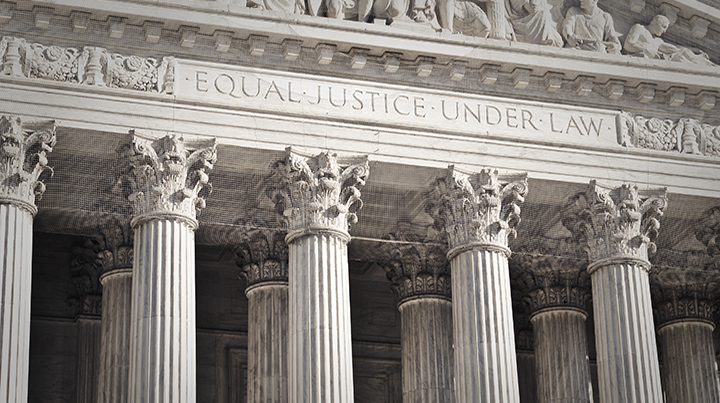
On June 12, 2017, the United States Supreme Court rendered a unanimous decision holding that a company collecting debts that it purchased for its own account does not meet the statutory definition of “debt collector” under the Fair Debt Collection Practices Act (FDCPA) because the debts are no longer “owed or due another.” We previously

Join Us for a Complimentary Webinar: A Review of the Supreme Court’s Decision in Henson v. Santander
On Wednesday, June 21, 2017, from 4:00 – 4:30 p.m. ET, Troutman Sanders attorneys David N. Anthony and Ethan G. Ostroff will explore the Supreme Court’s unanimous decision issued on June 12, 2017 and how it may affect companies in the collection industry. This decision resolves a Circuit split on the narrow issue of whether
Favorable Decision Rendered in “Current Account Balance” Case
On May 18, the Southern District of New York rendered a long–awaited opinion on “current account balance” cases, holding that current balances referenced in collection letters, with no mention of accruing interest or fees, do not violate Section 1692e of the Fair Debt C
District Court Rules SeaWorld Breached Customer Contracts and Violated Electronic Funds Transfer Act
A federal district court in Florida entered summary judgment against SeaWorld in a class action case, finding the theme park violated the Electronic Funds Transfer Act (EFTA) by renewing class members’ contracts during their one-year term and collecting unauthorized payments after the contracts expired.
Lead Plaintiff Jason Herman commenced the action in December 2014, alleging

U.S. Supreme Court Rejects “Meaningful Attorney Involvement” Case
The United States Supreme Court declined a petition for writ of certiorari by a consumer regarding a collection letter on law firm letterhead with attorney signatures. The ruling of the United States Court of Appeals for the District of Columbia in Tawanda Jones v. David Sean Dufek, Sr. was left in place, holding that a

Supreme Court Wavers During Oral Arguments in FDCPA Case That May Upend Entire Industry
On April 18, the United States Supreme Court heard long-awaited oral arguments in a case that addresses the fundamental issue of the definition of a “debt collector” under the Fair Debt Collection Practices Act. The Supreme Court’s decision will resolve an existing Circuit split on whether an entity that purchases defaulted debts and then attempts